World-Class Dental Care,
RATED 4.9/5 ON GOOGLE
RATED 4.9/5 ON GOOGLE
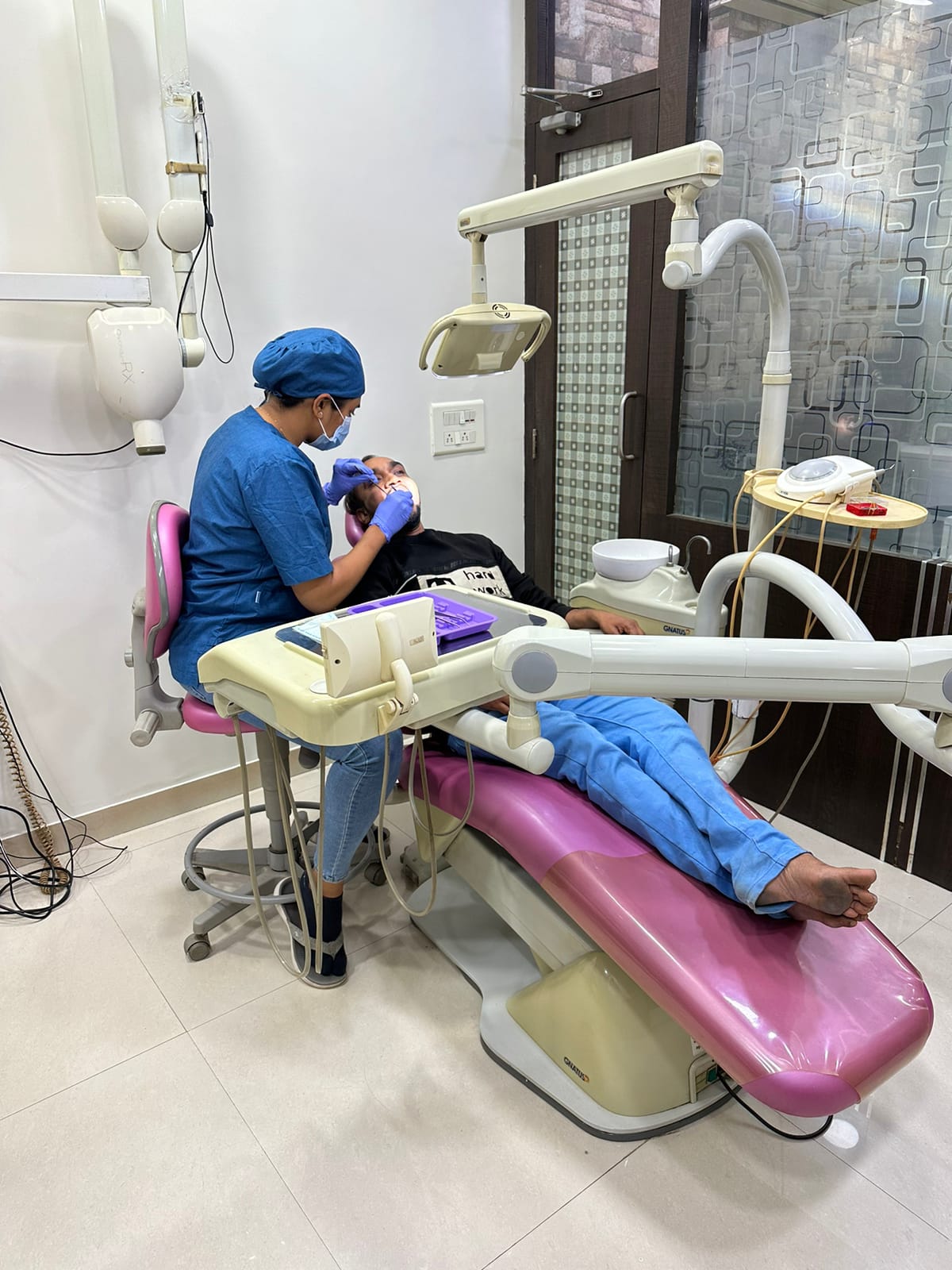
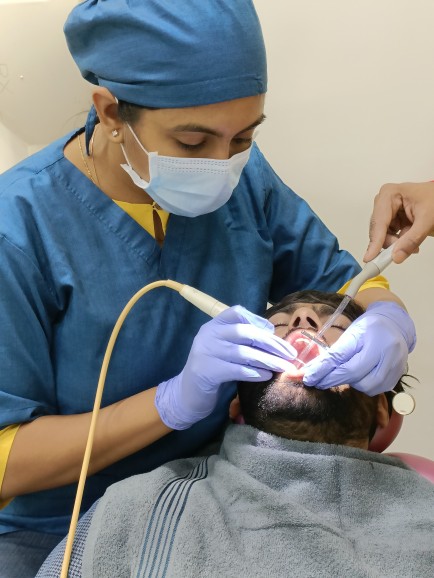
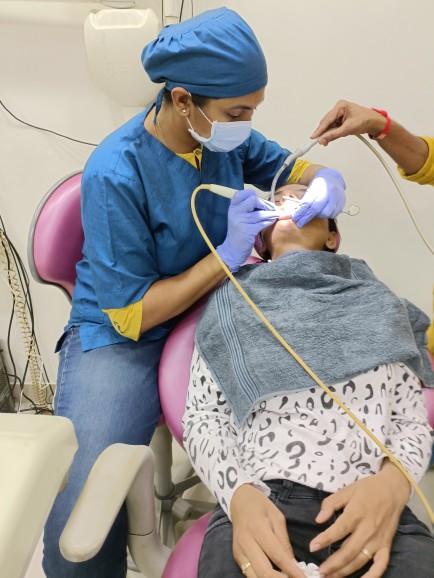
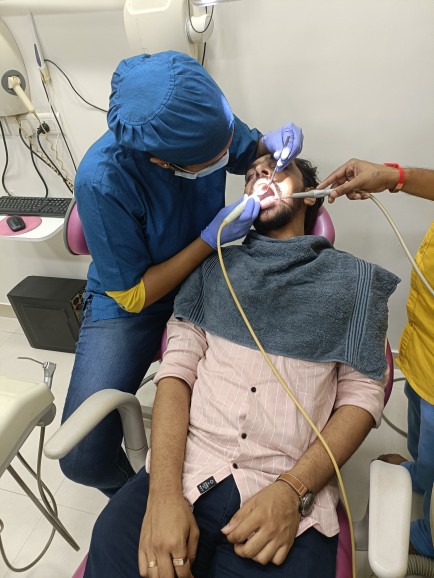
Root canal treatment, also known as endodontic therapy, is a dental procedure performed to save a severely damaged or infected tooth. It involves removing the infected or inflamed pulp from the tooth's interior, cleaning and disinfecting the root canals, and sealing them to prevent further infection. Root canal treatment is typically carried out by an endodontist, a dental specialist who focuses on the diagnosis and treatment of dental pulp and root canal-related issues. The need for a root canal treatment arises when the pulp, which contains nerves, blood vessels, and connective tissue, becomes infected or damaged due to various reasons, such as deep decay, repeated dental procedures on the tooth, cracks or chips, or trauma to the tooth. If left untreated, the infection can spread to the surrounding tissues, leading to severe pain, abscess formation, bone loss, and ultimately the loss of the tooth. The root canal treatment procedure involves several steps, which may require multiple visits to the dentist, depending on the complexity of the case. Here is a detailed explanation of the process:
1. Examination and X-rays: The dentist first examines the tooth and takes X-rays to assess the extent of the infection or damage. This helps in determining the need for a root canal treatment and planning the procedure.
2. Local anesthesia: Before starting the treatment, the dentist administers local anesthesia to numb the area surrounding the affected tooth. This ensures that the patient remains comfortable and pain-free throughout the procedure.
3. Access opening: Once the tooth is numb, the dentist creates a small access opening in the tooth's crown to reach the pulp chamber and root canals. This access point allows the dentist to remove the infected pulp and clean the canals thoroughly.
4. Removal of infected pulp: Using specialized dental instruments called files, the dentist carefully removes the infected or damaged pulp from the pulp chamber and root canals. The files are used to clean and shape the canals, ensuring the removal of all infected tissue and debris.
5. Irrigation and disinfection: After the pulp is removed, the dentist flushes the canals with an antimicrobial solution to disinfect them and eliminate any remaining bacteria. This step is crucial for preventing reinfection.
6. Filling the canals: Once the canals are thoroughly cleaned and disinfected, they are filled with a biocompatible material called gutta-percha. Gutta-percha is a rubber-like material that seals the canals, preventing the re-entry of bacteria.
7. Temporary or permanent filling: After filling the canals, the access opening is temporarily sealed with a temporary filling material. In some cases, the dentist may decide to place a permanent filling or a dental crown immediately after the root canal treatment, especially if the tooth is extensively damaged and requires additional protection.
8. Follow-up visits: In most cases, a follow-up visit is scheduled to evaluate the tooth's healing progress. The dentist may take X- rays to ensure that the infection has been eliminated and that the tooth is healing properly. If necessary, a dental crown or other restoration may be placed to protect and restore the tooth's strength and function. Root canal treatment is known for its effectiveness in saving teeth that would otherwise require extraction. The treated tooth can function normally, allowing the patient to bite and chew without pain or discomfort. However, proper oral hygiene practices, such as regular brushing, flossing, and routine dental visits, are essential to maintain the health of the treated tooth and prevent future dental issues. It is worth noting that while root canal treatment has a high success rate, complications can occur in some cases. These may include persistent infection, abscess formation, damage to surrounding structures, or fracture of the tooth. If any issues arise, it is important to consult the dentist promptly to address them and prevent.



.jpeg)